Paint jobs, pro stock frames and lead tape mean the endorsed model on the shelf shares little but its appearance.
The racket in the shop is not the racket they play with
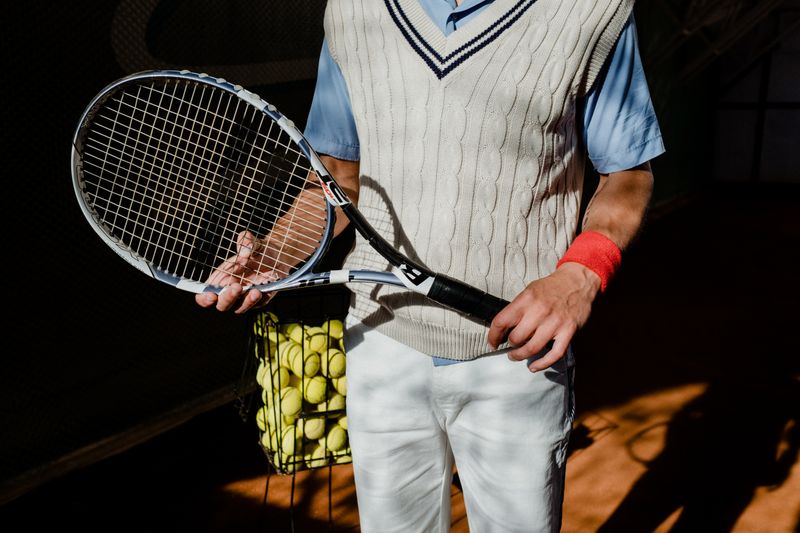
A professional finds a frame they trust, often early, and then spends the rest of their career refusing to let go of it. The manufacturer keeps releasing new models. The player keeps playing the old mould, painted to look like whatever is currently in the catalogue.
This is not a secret and it is not really a scandal, but it is worth stating plainly, because a great deal of recreational equipment buying is done on the belief that you are getting the thing you watched somebody win with.
Beyond the mould there is the customisation, which is where the actual differences live. Lead tape at three and nine o'clock raises the twistweight and makes the head more stable against an off-centre hit. Weight at twelve raises swingweight and gives more plough through the ball at the cost of manoeuvrability. Silicone in the handle raises static weight and shifts the balance back. Grip build-up changes the shape and therefore the wrist angle. A tour frame is typically far heavier than its retail namesake and balanced quite differently, and every one in the bag is matched to within a gram or two of the others, which no retail frame ever is.
Frame aerodynamics get a lot of marketing attention and deserve rather less. Yes, a thinner beam moves through the air with less resistance, and yes, at the swing speeds of a professional serve that is measurable. But the difference in racket head speed between an aerodynamic frame and a conventional one is small compared with the difference between a swingweight that suits you and one that does not, and swingweight is not a feature anybody advertises on a wall display.
My advice to anybody buying is unfashionable. Ignore the endorsement entirely. Demo three frames of the same specification and pick the one that feels stable on a ball you hit late, because that is what your equipment can actually fix.
The stability of a frame on a mishit is the only property that reliably improves an ordinary player's tennis.
Everything else on the box is a description of what the frame would do if you were somebody else.
Related Articles