A movement technique borrowed from clay is being used on abrasive surfaces that were never designed to allow it.
Players slide on hard courts now and their feet pay for it

On clay the foot slides because the loose top layer moves. Deceleration is gradual, the shoe stays roughly still relative to the granules underneath, and the joint above it is spared. That is the whole biomechanical gift of the surface, and it is why careers last longer on it.
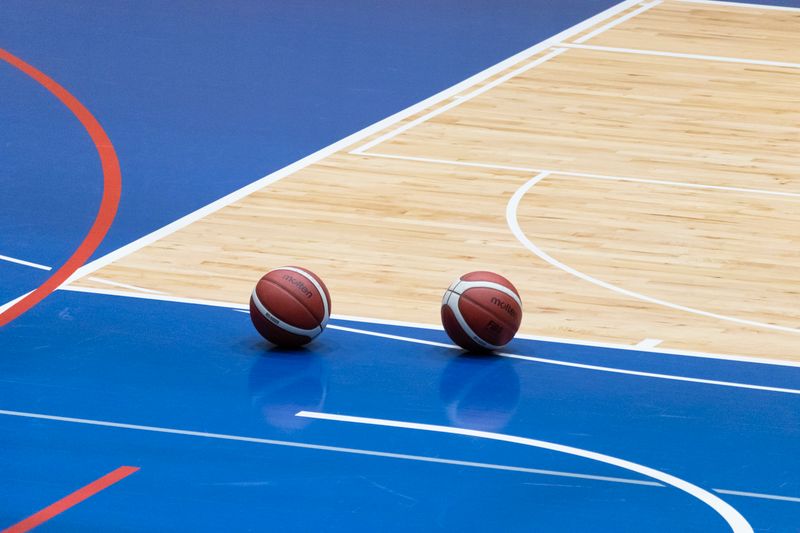
On a hard court there is no loose layer. The slide happens because the outsole rubber is abrading against acrylic and sand, and the deceleration comes from friction between the shoe and the court itself. It works, visibly, and a generation grew up watching it and copying it.
The cost lands in two places. The shoe wears out at a rate that is genuinely startling if you have not seen it; professionals go through outsoles in days, and the tour's shoe warranties on hard courts are notoriously short for exactly this reason. And the foot inside the shoe undergoes a shear load, sideways, repeated hundreds of times a session, at the point where the toes meet the sole.
Which is why so many hard-court injuries are foot and ankle rather than knee. Blistering, black toenails, the recurring plantar problems, the stress reactions in the metatarsals. Those are not conditioning failures. They are the mechanical signature of a foot being asked to translate laterally inside a shoe that is gripping.
The manufacturers respond by making outsoles harder and uppers stiffer, which extends the life of the shoe and transfers more of the load to the athlete. That trade is rarely stated out loud in the marketing.
There is a court-side lever nobody wants to pull. Hard court surfaces are built from acrylic layers with sand for grip, and the sand fraction is a choice. More sand gives more traction and more abrasion; less gives a slicker, faster court that is kinder to feet and produces shorter points. Tournaments choose their surface speed for sporting and commercial reasons and effectively choose their injury profile as a side effect, without ever framing it that way.
If I were advising a young player I would say two things. Learn to stop properly, with the outside leg loading and absorbing, before you learn to slide.
And accept that anyone who tells you sliding on hard courts is free has not looked inside a professional's shoe at the end of a fortnight.
Related Articles